Navigating Cancer Care: Essential Tips, Resources, and Support for Survivors and Caregivers
Living with cancer is not just a medical journey; it's an odyssey of courage and resilience. For many, the diagnosis of cancer feels like a storm cloud hovering over life, threatening to pour down rain at any moment. However, within that storm, there are silver linings to find and strategies to employ. Empowering cancer survivors requires a shift in perspective—a focus not just on survival but on thriving. So, how can you navigate the intricate pathways of treatment and beyond, all while preserving your health and wellness?
Understanding treatment options is the first step towards becoming an empowered survivor. Oncology offers a range of treatments that can be tailored to individual needs, whether you’re working closely with an oncologist or participating in clinical trials. Being informed about different modalities can help you engage in meaningful conversations with your healthcare team. Have you ever wondered how your symptoms would be addressed in the context of health education? Knowledge is power, and the more you embrace it, the better equipped you’ll be to advocate for your own health.
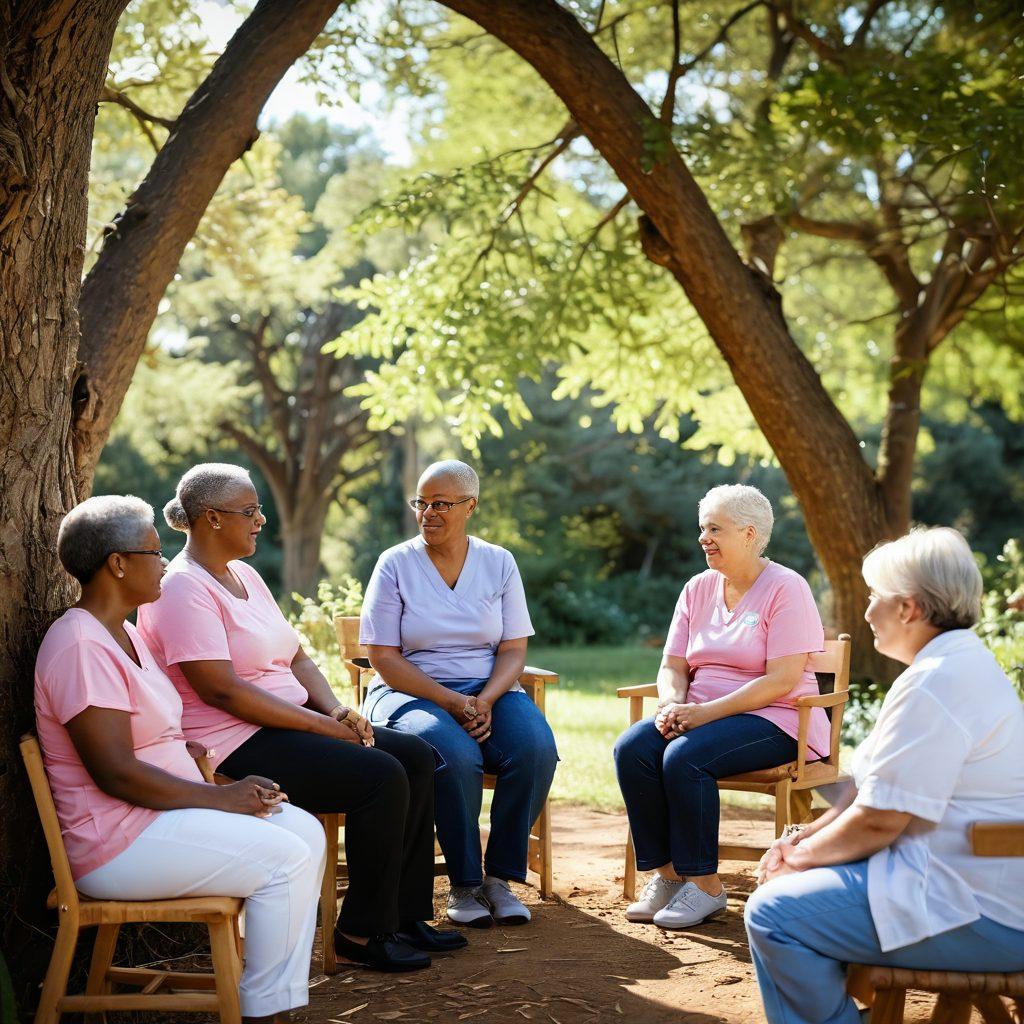
But beyond the clinical framework lies the emotional landscape of survivorship. Coping strategies are crucial, especially since the journey through cancer care can often feel isolating. Connecting with support groups or engaging in patient experiences shared by others in the cancer community can provide a lifeline. What's more, emotional support can significantly influence your recovery and overall well-being. To foster resilience, incorporate practices that promote holistic wellness, such as mindfulness, journaling, or simply enjoying nature. How often do you take a moment to just breathe, reflect, and acknowledge the strength you possess?
Nutrition and cancer also play a vital role in survivorship. Sounds cliché, but you truly are what you eat! Fueling your body with nutritious foods can enhance your energy levels, immune function, and overall treatment outcomes. For example, embracing lifestyle changes like incorporating more fruits and vegetables or reducing processed foods can uplift your health. Are you eating to thrive or just to survive? Remember, cultivating a nutritious lifestyle not only impacts your physical body but also fosters a positive mental attitude and health awareness.
Lastly, never underestimate the power of continuous learning. Cancer research is a rapidly evolving field, full of innovative treatments and discoveries waiting to be explored. Staying informed and seeking medical advice can help you make choices that serve you best in your healing journey. What resources have you tapped into recently? The world of cancer care can sometimes seem overwhelming, yet it also teems with opportunities for empowerment, connection, and hope. You are not just surviving; you are living fully, with every choice you make leading you toward a life beyond cancer.
Building a Support Network: Resources and Emotional Assistance for Caregivers and Survivors
Navigating the tumultuous waters of cancer care can feel overwhelmingly lonely for both patients and their caregivers. The journey through oncology often comes with uncertainty, fear, and, at times, isolation. However, it’s crucial to understand that you are not alone in this battle. Building a robust support network is vital for emotional assistance and resources, and knowing where to turn can make all the difference. So, how do we build that network? What resources are available to us? Let's delve into this essential aspect of cancer survivorship and care.
Building a support network starts with seeking out the right people. This begins with your oncologist, who is not just a medical professional but a pivotal player in your cancer care journey. They can provide not only medical advice and treatment options but also connect you with support groups tailored to your situation. Imagine speaking with other survivors who have walked the same path, sharing their coping strategies and triumphs. What wisdom could they impart, and how could their experiences shape yours?
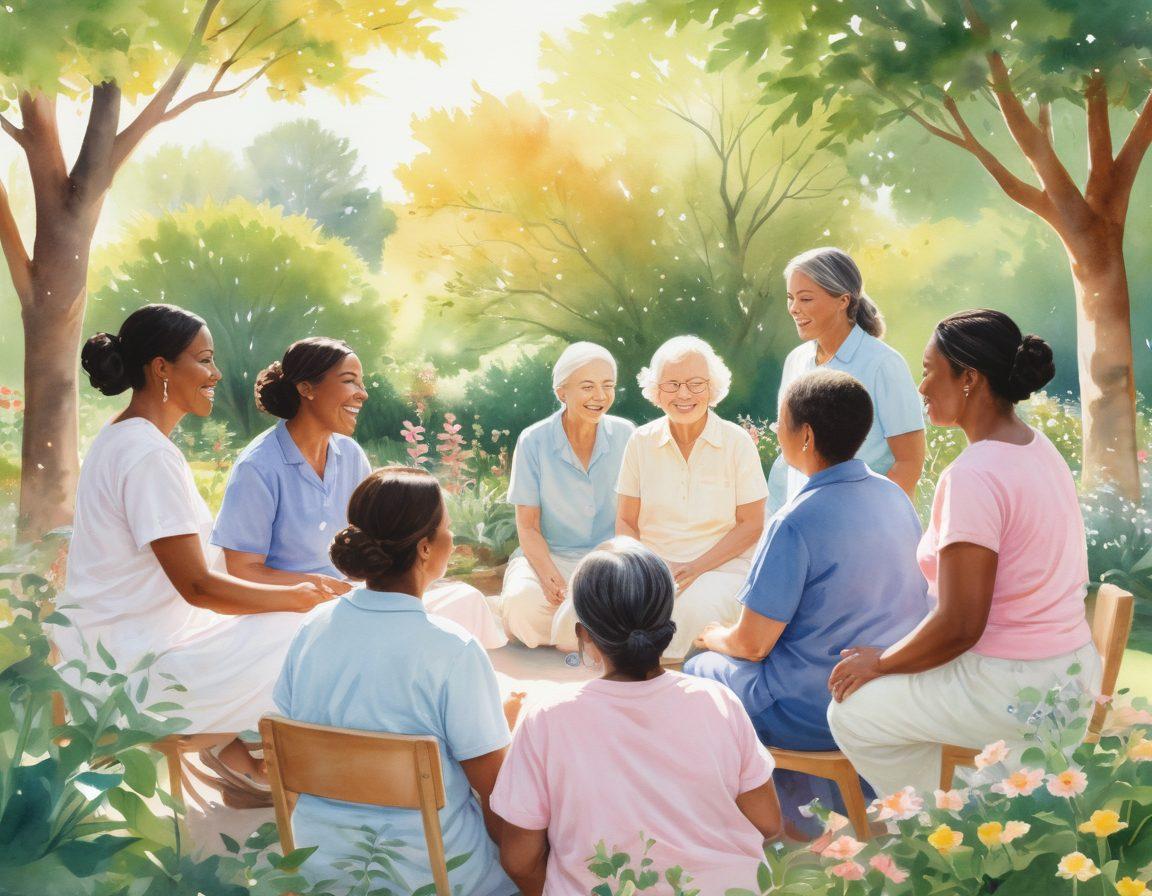
Beyond your healthcare team, consider tapping into the wealth of cancer resources available today. Many organizations focus on health education, cancer awareness, and preventive health strategies. From local nonprofits to national cancer organizations, there’s a treasure trove of information regarding innovative treatments, clinical trials, and wellness tips. Furthermore, joining support groups—whether in-person or online—provides a space for sharing stories, discussing nutrition and cancer, and promoting fitness and wellness in the context of survivorship. Who knows? You might find lifelong friendships in unexpected spaces, uniting you with others who truly understand what it means to live with cancer.
But it doesn’t stop there. Emotional support is paramount; it’s what makes the ups and downs of cancer care feel a little more manageable. Therapy, whether individual or group-based, can serve as a safe haven for expressing fears and finding solutions alongside others facing similar challenges. Emotional support can take many forms, from professional counseling to simple acts of kindness from friends and family. Can you think of one person who has been a source of support in your life? How can you open the door for more conversations with them about your journey?
Finally, support isn’t only about receiving; it can also be about giving back. As a caregiver or survivor, you might choose to get involved in patient advocacy, helping others navigate their experiences. Sharing your story and insights can be incredibly transformative, enriching both your life and the lives of many others. Perhaps you could volunteer with local cancer communities or participate in health and wellness workshops. Together, we can foster a stronger support network bound by the shared goal of improving lives impacted by cancer. What will your next step be in building your support network?
Innovative Treatment Options and Lifestyle Changes for Enhanced Well-being in Cancer Care
In the intricate world of cancer care, navigating the avenues of treatment and holistic wellness can often feel overwhelming. For both patients and their caregivers, the journey is fraught with uncertainty, but it's essential to remember that you're not alone. With innovative treatment options continuously emerging through the lens of cancer research, there's hope on the horizon. How can we optimize our approach to ensure both physical and emotional well-being during this challenging phase?
When it comes to cancer care, understanding the full spectrum of treatment options is paramount. Oncology, the field dedicated to this fight, offers various paths, from conventional therapy to groundbreaking clinical trials that explore innovative treatments. An oncologist can guide you to the most effective treatment, but it's vital for patients to advocate for themselves, asking questions like, 'What are the side effects?' or 'How will this impact my quality of life?' Embracing health education will empower you on your journey.
But it’s not just about the medical side; lifestyle changes play a critical role in survivorship. Nutrition and cancer have a profound relationship, with a balanced diet fueling your body’s ability to fight. How about incorporating colorful fruits and vegetables into your meals or exploring the benefits of plant-based diets? Additionally, aligning fitness and wellness routines with your capabilities can enhance your physical strength, providing an uplift to your spirit. The question is: Are you ready to embrace these healthy shifts?
Support is a powerful contributor to resilience during treatment and recovery. The cancer community is rich with opportunities for connection and emotional support. Joining support groups can provide comfort and understanding from those with shared experiences. It's important to discuss emotional well-being too; mental health must be a priority alongside physical health. Who are your pillars of support, and how can you deepen these connections?
Ultimately, while cancer care is undeniably a challenging road, the potential for living well remains tantalizingly close. By equipping yourself with knowledge about health awareness, preventive health, and countless cancer resources, you're taking actionable steps toward not just surviving, but thriving. Each patient experience can fuel advocacy, paving the way for holistic wellness that encompasses both body and mind. Are you prepared to leverage these strategies for an enriched life post-diagnosis?